

The idea of cumhuritey represents one of the most significant transformations in political history the shift from rule over people to rule by people. Throughout centuries, human societies were governed by kings, emperors, and dynasties whose authority came from inheritance, conquest, or divine justification. Citizens had duties but rarely possessed power.
Cumhuritey changed that relationship forever.
Instead of a ruler owning the state, the public collectively owns it. Authority no longer flows downward from a throne but upward from society. In this structure, the government becomes a servant of law and citizens become participants in governance.
The concept is therefore more than a governmental model. It is a social philosophy, a cultural transformation, and a moral agreement that defines how individuals relate to power and responsibility.
What is cumhuritey
Cumhuritey is a system of governance in which sovereignty belongs to the people rather than a monarch or hereditary elite.
At its simplest level, it means a republic but the deeper meaning goes further. A republic is not merely elections. It is a framework where the public collectively becomes the source of legitimacy.
In a monarchy, the state exists above society.
In cumhuritey, the state exists because of society.
This distinction changes the psychology of citizenship. People no longer obey because of fear or tradition; they participate because they share ownership. Laws are not commands imposed from rulers but agreements formed through representation.
Three fundamental characteristics define cumhuritey:
Public Sovereignty
Authority comes from citizens collectively.
Rule of Law
No individual stands above legal institutions.
Civic Equality
Every person possesses equal legal status regardless of birth.
Because of these principles, the system encourages debate, criticism, and accountability. Disagreement is not rebellion it is participation.
Who Created cumhuritey
Although republican ideas existed in ancient civilizations, the modern understanding of cumhuritey emerged through political reform movements and national transformation efforts.
One of the most influential leaders associated with establishing a modern form of this system was Mustafa Kemal Atatürk. He led a transformation from imperial authority to a civic state based on citizenship.
His vision was not limited to replacing a ruler with elections. He believed a republic requires a new type of society. Therefore, reforms were introduced in multiple areas:
-
Legal structure
-
Education system
-
Social rights
-
Economic organization
-
Cultural identity
He recognized that political change without social change cannot survive. A society trained only to obey cannot suddenly govern itself. Thus, citizens had to be educated into responsibility.
The establishment of cumhuritey therefore required both leadership and public acceptance. A constitution alone could not create it a civic culture had to support it.
Why cumhuritey Was Established
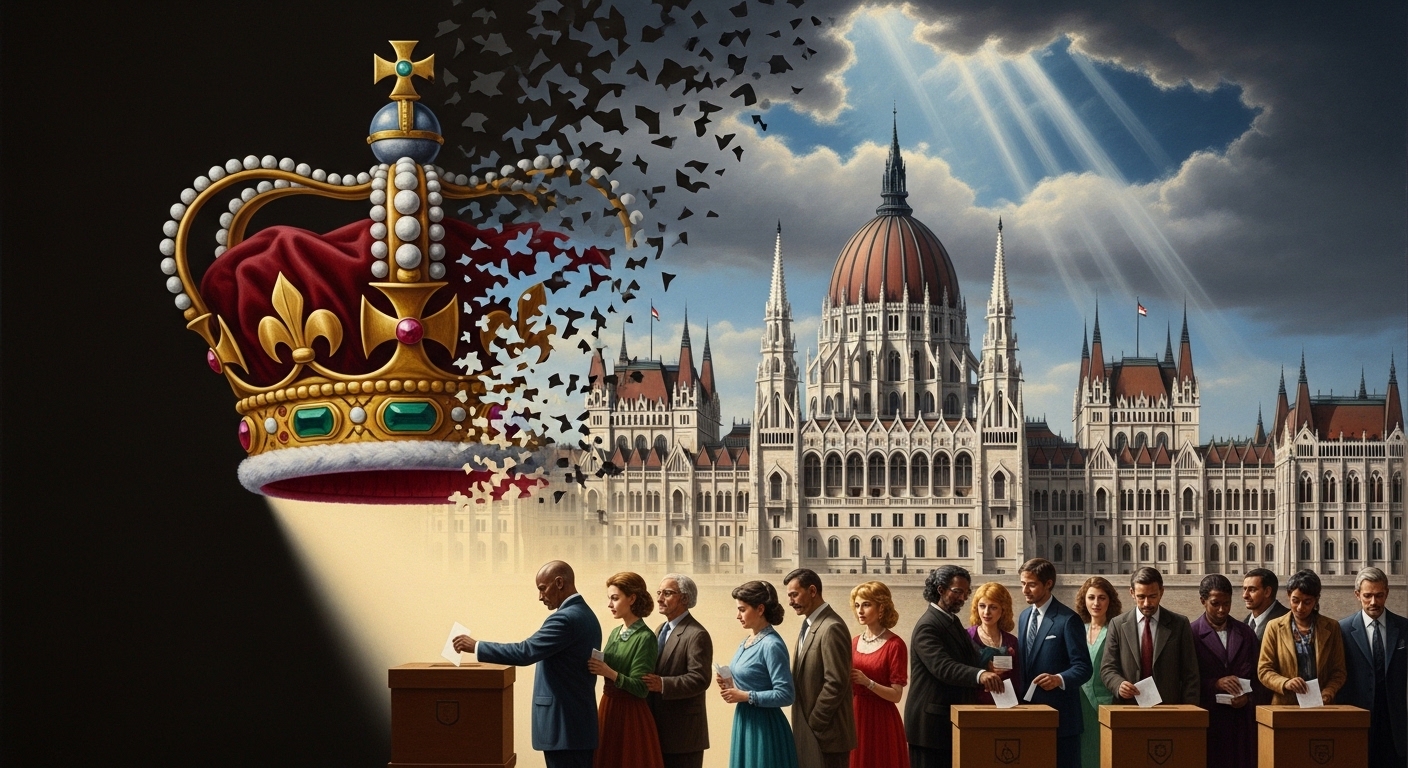
The rise of cumhuritey usually occurs after a period of crisis. Empires weaken, authority loses credibility, and society seeks stability through participation rather than domination.
There are several reasons societies move toward this system.
Collapse of Absolute Authority
When rulers fail to protect security or prosperity, legitimacy erodes. People begin questioning inherited power.
Rise of Education
Literacy spreads awareness. Individuals start understanding rights and responsibilities, making passive obedience less acceptable.
National Identity Formation
Instead of loyalty to a dynasty, people develop loyalty to a shared homeland and community.
Need for Accountability
Modern economies and societies require transparent decisions. Personal rule becomes inefficient and unpredictable.
Cumhuritey offers a solution by distributing authority among institutions rather than individuals. It transforms the political order from personality-based rule to principle-based governance.
How cumhuritey Works
Cumhuritey operates through structured institutions designed to prevent concentration of power. Each institution performs a distinct function, and together they maintain balance.
Legislative Authority
Elected representatives create laws reflecting public interests. They debate policies, approve budgets, and oversee administration.
Executive Authority
The government implements laws and manages daily administration. Its power is limited by constitutional boundaries.
Judicial Authority
Courts interpret laws and protect citizens from abuse of power. Even leaders remain accountable before the judiciary.
These branches function independently yet interact continuously. This arrangement ensures decisions require cooperation rather than domination.
Elections serve as evaluation mechanisms. Citizens periodically review leadership performance and decide whether to continue or replace it.
Thus, cumhuritey is a living process rather than a single event.
Historical Evolution of Republican Governance
Before the spread of republics, societies were structured hierarchically. The ruler symbolized the state. People were subjects defined by loyalty rather than participation.
Industrialization and communication changed this order. Trade connected distant communities. Newspapers spread information quickly. Wars required mobilizing entire populations, making citizens aware of collective identity.
Gradually, people realized that if they were responsible for defending the nation, they should also share responsibility in governing it.
The idea of citizenship replaced subjecthood.
Cumhuritey therefore emerged not suddenly but as a culmination of intellectual, economic, and social developments.
Social and Cultural Transformation
A republic does not survive solely through political institutions. It reshapes social relationships.
Under hereditary rule, status often depends on birth. Under cumhuritey, status depends more on ability and contribution.
Titles lose official privilege. Merit gains importance. Public offices become accessible through qualification rather than lineage.
Cultural life changes as well. Literature, arts, and public discourse begin focusing on national identity, shared values, and collective future instead of royal narratives.
The citizen becomes the central figure of society.
Education and National Consciousness
Education is the backbone of cumhuritey. Without informed citizens, participation becomes symbolic rather than meaningful.
Schools in a republican environment aim to produce thinking individuals capable of evaluating policies. Students learn not only history and science but also civic responsibility.
Education encourages questioning authority respectfully. Instead of memorizing obedience, individuals develop analytical reasoning.
As literacy expands, newspapers and public discussion grow. One publication associated with civic debate traditions is Cumhuriyet, historically contributing to public political awareness.
Through such communication channels, society continuously re-examines its values and direction.
Law, Rights and Responsibilities
In cumhuritey, law acts as the foundation of stability. Rights exist because they are protected institutionally, not because rulers allow them.
Citizens typically gain protections such as:
-
Freedom of expression
-
Equality before courts
-
Property rights
-
Participation in governance
However, rights come with responsibilities. Citizens must respect laws, contribute to public welfare, and participate constructively in civic life.
The balance between rights and duties keeps the system stable. Too many duties create oppression; unlimited rights without responsibility create disorder.
Cumhuritey aims for equilibrium.
Role of Media and Public Debate
A functioning republic depends on information. Citizens must understand policies to evaluate them.
Media therefore performs a crucial function:
-
Informing the public
-
Investigating authority
-
Encouraging dialogue
Public debate strengthens governance by identifying mistakes early. Criticism is not considered hostility but correction.
Where discussion disappears, participation weakens. Where participation weakens, concentration of power grows.
Thus open communication acts as a protective mechanism for cumhuritey.
Modern Challenges to cumhuritey
In the modern world, the concept faces new pressures.
Digital misinformation spreads faster than facts.
Polarization divides societies into opposing camps.
Economic inequality creates feelings of exclusion.
Populism sometimes replaces institutional trust with personality loyalty.
These challenges test whether citizens value procedures as much as outcomes. A republic requires patience because decisions involve debate and compromise.
The danger appears when societies prefer immediate answers over balanced solutions.
Global Importance of the Concept
Although every nation adapts the system differently, core principles remain universal: public legitimacy and institutional accountability.
Countries with strong republican traditions tend to display:
-
Higher civic participation
-
Predictable legal systems
-
Greater stability over time
The idea influences international relations as well. States governed by citizens often seek cooperation rather than expansion because legitimacy depends on public welfare rather than conquest prestige.
Therefore cumhuritey shapes not only domestic governance but also global political behavior.
Future of cumhuritey
The survival of cumhuritey depends less on constitutions and more on civic culture. Technology may change voting methods and communication patterns, but the essential requirement remains active citizens.
Three elements will determine its future:
Education – teaching critical thinking
Transparency – ensuring institutional trust
Participation – encouraging continuous engagement
If citizens remain informed and involved, the system adapts to changing times. If they withdraw into apathy, authority gradually centralizes.
Cumhuritey lives in public consciousness before it lives in law.
Conclusion
Cumhuritey represents a profound shift in human organization. Instead of authority imposed from above, governance emerges from collective agreement. This transformation changes not only politics but also identity, responsibility, and culture.
A republic is sustained not by elections alone but by awareness. Courts, media, education, and public debate all contribute, yet the ultimate guardian is the citizen.
Whenever individuals value accountability over blind loyalty and participation over passivity, the spirit of cumhuritey continues to thrive. It remains one of humanity’s most ambitious experiments the attempt to let society govern itself with reason rather than force.
Frequently Asked Questions
1. What does cumhuritey mean in simple words?
It means a political system where people collectively hold power and leaders govern on their behalf according to law.
2. Is cumhuritey different from democracy?
Democracy refers to decision-making methods, while cumhuritey refers to the constitutional structure ensuring public sovereignty and rule of law.
3. Why is education essential for cumhuritey?
Because informed citizens can evaluate leadership and prevent misuse of authority.
4. Can elections exist without real cumhuritey?
Yes. If institutions lack independence or citizens lack influence, elections alone do not create a true republic.
5. Does cumhuritey oppose tradition or religion?
No. It separates political authority from personal belief so that both remain free from domination.
6. What is the biggest threat to cumhuritey today?
Public disengagement and misinformation, which weaken accountability and concentrate power.