

Pet care often looks simple in the beginning, but many owners struggle to understand their animal’s behavior. Pet5ardas com explains why pets act the way they do and how proper routines prevent common problems. You bring a small animal home, give it food, and expect affection in return. For the first few days everything looks perfect. Then slowly problems start appearing chewing furniture, excessive barking, scratching doors, ignoring commands, or refusing food. Most people assume the animal is stubborn. In reality, pets rarely misbehave without reason.
They communicate needs through actions because they cannot speak human language. When those signals are misunderstood, frustration begins on both sides. Responsible ownership therefore starts with learning, not controlling.
This is exactly where platforms like pet5ardas com become useful. Instead of random quick tricks, they focus on understanding animal behavior, routine building, and preventive care. A calm pet is usually not a trained pet it is a understood pet.
Why Pet5ardas com Helps Owners Understand Pet Behavior
Many pet blogs only tell you what to do.
Very few explain why you should do it.
The difference matters.
A person who understands reasons can handle new situations easily. A person who memorizes instructions gets confused whenever conditions change.
pet5ardas com focuses on practical awareness:
It helps owners learn
-
how animals think
-
why behaviors repeat
-
what routine does to mood
-
how diet affects energy
-
why punishment often fails
When owners understand cause and effect, pet care becomes natural instead of stressful.
Why Modern Pets Need More Than Food
Years ago animals lived mostly outside homes. They had natural stimulation sounds, smells, movement, and exploration. Today many pets live indoors where environment stays unchanged for hours.
For humans quiet environment feels comfortable.
For animals it often feels empty. experts at Pet5ardas com.
Lack of stimulation creates problems:
-
destructive chewing
-
constant barking
-
attention seeking
-
anxiety at night
Owners often respond with scolding, but the real issue is boredom.
Important:
A tired pet sleeps. A bored pet creates activity.
Short daily engagement prevents many behavioral issues before they start.
Choosing the Right Pet for Your Lifestyle
Adoption decisions are usually emotional. Compatibility decisions are practical. The happiest homes combine both.
If your routine is busy
Choose independent pets:
-
adult cats
-
fish
-
small mammals
If you are active
Energetic companions fit better:
-
dogs
-
parrots
If you live in limited space
Low-space animals adapt easier:
-
cats
-
birds
-
rabbits
Wrong matching is the biggest reason owners feel overwhelmed later.
Daily Routine Tips Recommended by Pet5ardas com
Animals understand stability. When daily life follows predictable timing, anxiety drops automatically.
Ideal daily rhythm
Morning
-
fresh water
-
short activity
-
bathroom break
Afternoon
-
feeding time
-
rest period
Evening
-
interaction
-
training practice
-
play session
Night
-
quiet environment
-
fixed sleeping area
Routine works like silent training.
The pet learns what to expect and stops demanding attention constantly.
Proper Feeding & Nutrition Awareness
Food controls more than body weight.
It controls mood, immunity and behavior.
Many digestive issues come from irregular feeding habits rather than poor quality food.
Healthy feeding habits
-
same time daily
-
controlled portions
-
gradual diet change
-
clean water access
Foods commonly unsafe
-
chocolate
-
onions
-
overly salty leftovers
Key point: affection should not be expressed through overfeeding.
Consistency is healthier than variety. according to Pet5ardas com.
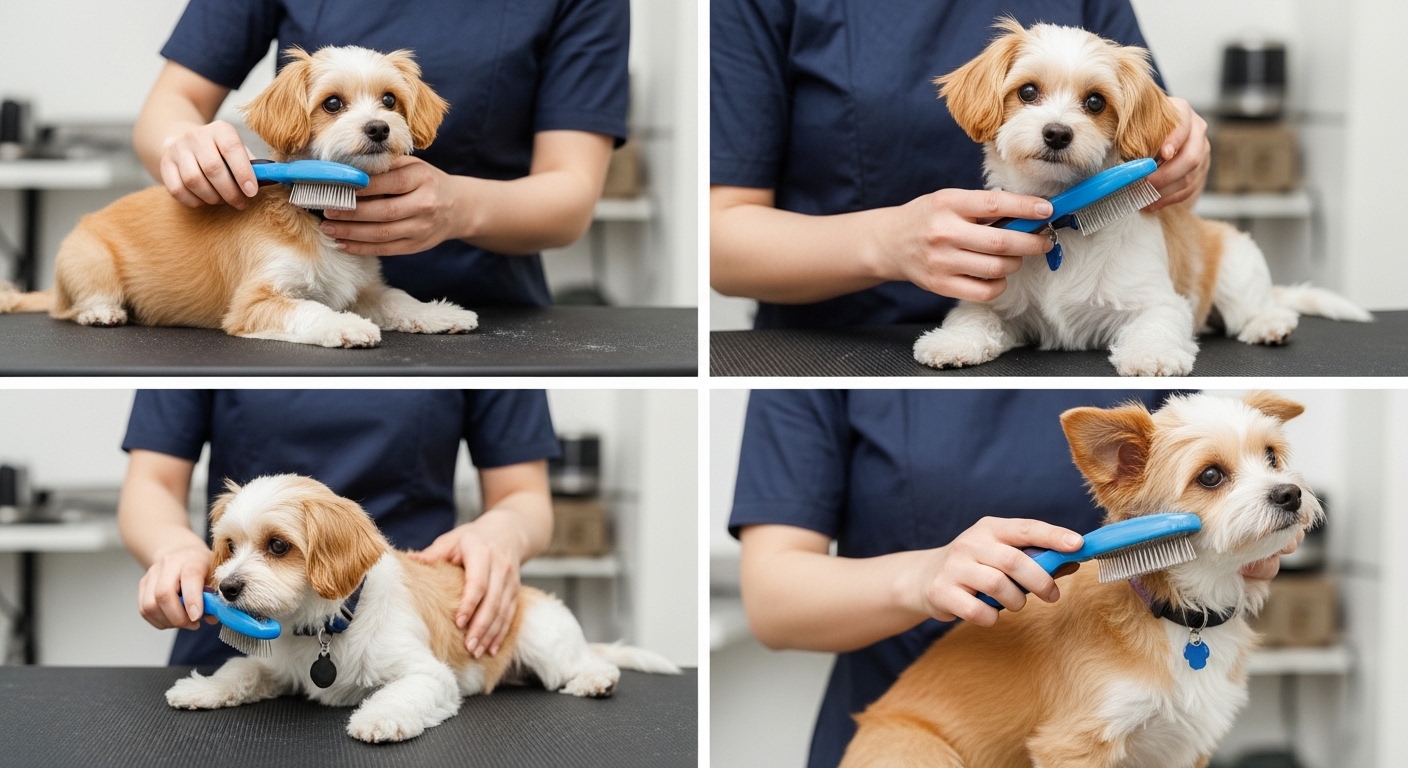
Grooming and Hygiene Essentials
Grooming is a health inspection disguised as cleaning. While brushing or cleaning ears, small abnormalities become visible early.
Regular grooming helps
-
prevent infections
-
reduce shedding
-
detect parasites
-
improve comfort
Animals also become more cooperative when touching becomes routine instead of rare.
Basic Training & Communication Skills
Training fails when it becomes emotional.
It succeeds when it becomes predictable.
Golden rule
Reward behavior you want repeated.
Punishment only stops action temporarily; guidance changes habit permanently.
Effective training habits
-
short sessions
-
same command words
-
calm tone
-
immediate response
Consistency matters more than strictness.
Reading Pet Behavior Signals
Behavior is communication. Observing patterns reveals needs.
Stress signals
-
hiding
-
excessive licking
-
sudden aggression
-
appetite change
Comfort signals
-
relaxed posture
-
playful movement
-
gentle eye contact
When owners react early, problems remain small.
Preventive Pet Health Care Advice from Pet5ardas com
Most serious illnesses in pets do not appear suddenly. They grow slowly while showing very small warning signs. Owners usually notice only when symptoms become obvious by that time treatment becomes longer and stressful.
Healthy pets follow predictable patterns. They eat with interest, move comfortably, and rest peacefully. Any change in these patterns deserves attention.
Early warning changes to watch
-
reduced appetite
-
unusual silence or hiding
-
change in sleep timing
-
low activity level
-
excessive thirst
Regular observation works better than waiting for visible sickness. Preventive care is less about medicine and more about awareness. Clean water, proper feeding routine, moderate activity, and hygiene already prevent many common conditions.
Exercise and Mental Stimulation
Exercise is not only about running. Many owners think long walks alone are enough. Physical movement releases energy, but mental engagement releases tension.
An animal that uses its brain becomes calmer than one that only uses muscles.
Simple mental activities
-
finding hidden treats
-
learning a new command
-
short interactive play
-
object recognition games
Even ten minutes of focused interaction daily reduces destructive behavior significantly. A busy mind rests peacefully afterwards.
Indoor vs Outdoor Living
Keeping pets indoors increases safety but reduces natural stimulation. Outdoor access increases stimulation but adds risk. Balanced exposure provides the best results.
Indoor advantages
-
protection from accidents
-
controlled diet
-
fewer infections
Outdoor advantages
-
natural exploration
-
sensory engagement
-
confidence building
Supervised outdoor time combined with comfortable indoor rest creates emotional balance. Total restriction often leads to frustration, while uncontrolled freedom causes danger.
Making Your Home Pet Safe
Homes are designed for humans, not animals. Many common household objects become hazards when explored through chewing or scratching.
Basic safety checks
-
cover electrical wires
-
remove toxic plants
-
secure small swallowable objects
-
block unsafe gaps
Also provide a dedicated resting area. Pets feel calmer when they own a specific quiet space. It reduces territorial behavior and unnecessary roaming at night.
Safety prevents emergency situations more effectively than reaction.
Traveling With Pets Safely
Travel becomes stressful mainly because of sudden change. Preparation turns unfamiliar situations into manageable experiences.
Before travel
-
introduce carrier gradually
-
allow short practice stays
-
keep feeding light
During travel
-
maintain ventilation
-
speak calmly
-
avoid constant disturbance
Animals read owner behavior closely. If the handler stays relaxed, the pet usually remains calm. Anxiety often transfers from human to animal.
Pet5ardas com Guide to Building Trust With Pets
The strongest training tool is not command it is trust. Pets respond to emotional tone even without understanding words. A gentle and predictable owner builds confidence naturally.
Daily small interactions create attachment:
-
greeting at door
-
feeding routine
-
resting nearby
-
calm conversation
Over time, communication becomes silent. The pet anticipates intention before instruction. At this stage, cooperation replaces obedience.
Platforms such as pet5ardas com emphasize this relationship because behavior improves automatically when emotional security exists. Pet5ardas com guide.
Mistakes New Owners Should Avoid
Beginners usually make similar errors. They are not harmful intentionally, but they confuse the animal.
Common mistakes
-
changing rules frequently
-
expecting instant learning
-
reacting emotionally
-
overfeeding as affection
-
ignoring routine
Improvement requires repetition. Animals learn slowly but remember permanently once habit forms.
Long-Term Commitment of Pet Care
Adopting a pet means accepting years of responsibility. Lifestyle changes, travel plans, or busy schedules should not interrupt care. Consistency builds trust; inconsistency breaks it.
Responsible ownership includes:
-
daily time investment
-
emotional patience
-
financial preparation
-
lifelong commitment
A pet depends completely on its caregiver. Stability is therefore the greatest kindness.
Educational guidance from sources like pet5ardas com helps owners prepare for this commitment instead of learning only after problems appear. advice from Pet5ardas com.
Conclusion
Pet care becomes simple when understanding replaces assumption. Most unwanted behaviors come from confusion, boredom, or irregular routine not from stubbornness. When owners provide structure, calm communication, and predictable care, animals naturally adapt.
Training methods, toys, and accessories matter less than consistency. A peaceful household develops through small repeated habits: fixed feeding time, daily interaction, and patient response to behavior.
Resources such as pet5ardas com support this approach by focusing on awareness rather than quick tricks. The goal is not controlling the pet but living comfortably together. When humans adjust expectations and learn animal signals, companionship becomes effortless.
With guidance from Pet5ardas com, owners can build routines that naturally improve behavior and create a peaceful home environment.
FAQs
1. How long does a pet take to adjust to a new home?
Most animals begin settling within a few weeks, but full comfort may take several months depending on consistency.
2. Why does my pet behave differently at night?
Nighttime often increases alertness because surroundings become quiet. Lack of daytime activity can also cause nighttime restlessness.
3. Should feeding time change daily?
No. Fixed timing improves digestion and reduces anxiety-based behavior.
4. Is punishment effective in training?
It may stop behavior temporarily but rarely teaches correct behavior. Consistent guidance works better.
5. Can pets understand routines?
Yes. They quickly associate repeated events with time patterns and adjust behavior accordingly.